Article: Bullying
Support Services
2 min read
Read More

Article: Stronger families
To help your child shine
As a parent you want to give your children a good start in life and to do this you nurture, protect and guide them. This little tool kit aims to give you a helping hand with some of the challenges your family may experience.
In its most basic description Parenting is a process that prepares your child for independence.
There is no magic wand or manual that tells you what to how to manage every situation especially when the pressures are coming from so many directions, but the little things really can make a big difference, you can be the difference.
We believe that our 8-family support diamonds will help you in every situation and keep your family strong, safe and resilient.
How will you know something is wrong or worrying your child if you don’t know what normal is? Look at the quick questions below and if you don’t know the answers try and find out!
We know you love your child. It’s human nature that we all need to feel that we are loved and looked after and it’s what helps our young people to thrive. Take every opportunity to show and tell them.
When they are prickly, they may not want to hear the words but show them anyway. Look at the homework they show you, pay attention when they ask for help. Make them a nice hot chocolate or grab an ice lolly out of a freezer when they want to speak to you about something.
If they’re experiencing stress or going through a tricky period something as simple as opening their window for them can make all the difference. If you’re working or busy and feel like passing ships in the night leave a little note on their bed when they get home to let them know you love them, or a chocolate bar, or a face mask. Make their favourite dinner or clean their shoes for them, gestures and actions are as important as the words you use.
Something that I’m sure was at the forefront of most of our minds when our children were toddlers, and they used the potty for the first time!
Praise is equally as important now as it was then. I’m sure we can all remember a time when our parents said something sarcastic to us when we were young after we had tried. Things like ‘oh you’ve decided to join us at the table tonight, have you?’ or ‘it’s nice to finally see you without that phone in front of your face’. Here we’re almost giving back handed praise. We’re acknowledging that they’re doing something nice, but it’s almost being phrased as a punishment.
Think about ways you can praise without using sarcasm. We all like to be told we’ve done something well, its beneficial to our confidence and self esteem.
We are all busy, sometimes during the week it feels as if with work/school and other commitments we struggle to find time to really be available to our children.
It is a parent’s job to find this time.
Even sitting on the sofa together watching a TV show eating a microwave meal counts. Try and show them how important they are and that you value talking to them more than flicking through your phone, really be present if they are talking to you.
If they are looking at their phone ask them to share their current favourite TikTok dance with you, or the current funny meme about something. Don’t dismiss it, if you don’t get it – ask!
It may feel like there is never a good time to have any difficult talks with your young person but try and start the conversation when you aren’t feeling too emotional so you can calmly explain your concerns. Conversations when you are busy doing something else (but nothing important!) can be helpful so they don’t feel so embarrassed or pressured. Also remember your young person is always learning by observation if you can role model to them that you can stay calm during a tricky conversation, the more likely they will also stay calm in this situation.
Your children are always watching you. If you don’t want them to be smokers, don’t smoke. If you don’t want them on social media 24 hours a day then you can’t be. Want them to eat 5 fruit and veg a day – start eating your greens.
YouTube have an old but great clip about how children really do copy their parents. Your attitudes, language and lifestyle are the first influences your child is exposed to, try, and make them positive ones.
Let them see how you react to stressful situations and difficult times; this will give them the tools to use when they face challenges.
Model that self-care, let them see you planning down time into your day and prioritising them and yourself over outside pressures.
Actively listen, don’t be formatting your reply to what you think is being said, take the time to stop and really hear what is being said. The aim is to understand rather than reply and for your child to feel heard and validated and therefore more inspired to seek their own solutions. This is about anything they may tell you.
An example would be they might tell you their friend is being a bully or someone in their class drank alcohol at the weekend. It would be easy at this point to go ‘oh my goodness, that’s awful, what must their parents think’. However, try and remember that by using this judgemental language about their peers might make them be less likely to talk to you in the future if a similar situation happened to them, as they might fear that judgement themselves.
If they do want to talk about things, make sure you listen to them. Even if what your young person has to say makes you feel uncomfortable or even disappointed, it’s important that they know they can say it to you. Reacting negatively is likely to make them cautious about being honest, so take them seriously and help them feel they can disclose things if they need to.
Young people want to feel they’re being listened to, not being told, so going in hard and laying down the law is unlikely to ever lead to an honest response. You’re much more likely to get through to them if you try to start a dialogue.
As your children grow, they will need some privacy in their lives, and this indicates a greater drive for independence.
Privacy and trust go together with keeping your child safe while developing their autonomy. This can be hard to judge at times but try to respect their needs, would you want them sitting in on your conversations with your closest friends or looking through your phone?
Rules around privacy are different in everyone’s families and some are in place for safety. Researchers who have studied respect have found that not only do our pre-teens very clearly know when they are or are not being respected, but their behaviour can be shaped by these experiences.
For many respect is a powerful determinant for whether they will engage in productive behaviours or destructive behaviours. If no one cares whether they, do it or not why not do it anyway?
Try to start from a position where you understand and can show that you have understood. You may not agree but listening shows respect for their point of view.
Try to encourage and invite discussion, without it sounding as though you are laying down yet more rules.
Try to use sentences that begin with things like ‘Have you thought about …’ ‘I wonder if…’ ‘Would it be a good idea if we…’.
Showing your young person how to negotiate, present their point of view respectfully and come to an agreement is a vital life skill.
Don’t miss the opportunity to teach them how to do this at home. Look at compromises so that you both come away from the conversation feeling listened to and respected.
Be aware of the language you use, try and find appropriate words to describe how you are feeling. Are you frustrated, annoyed, stressed, unhappy, irritated, wound up or let down? It can be much easier to explain how you feel if you can use the right words.
Be consistent. It’s a myth that you just need to have one ‘big talk’ with your child when it comes to difficult conversations.
Helping them to feel that their thoughts and actions are not a taboo subject – that they can bring them up without it being a big deal can be a great comfort. It also helps them to feel they have someone to turn to if they do get stuck. This doesn’t mean awkwardly shoehorning the topic into your conversations, but simply checking in from time to time and letting them know they don’t need to be embarrassed if they do want to talk. Speak to them then and there about what has happened and don’t put it off – the opportunity may not arise again. Remind them that you are here to listen to and support them.
There’s every chance they’ll find this conversation awkward or unpleasant, (as will you). But knowing you’re there to help if they need it can be a big comfort if they decide they do need it. Besides, any information or advice you’re able to give can make all the difference when it comes to them making good decisions in the future.
Try not to take things too personally; it may not be you they are angry with at all.


Toolkit Download
This toolkit provides insight into the issues affecting our 9 to 12 year old children and offers practical ways to support them.
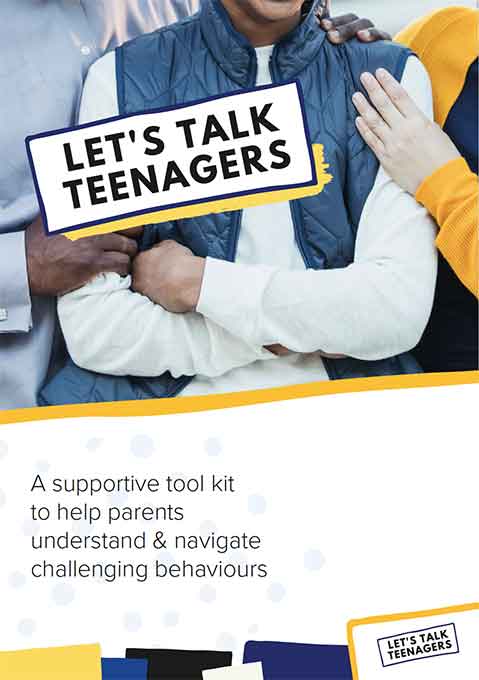
Toolkit Download
This toolkit gives you valuable insights into teenage challenges and practical ways to help.