Article: Drugs and alcohol

Child Criminal Exploitation

Knife Crime.  County Lines.  Gangs.

These are all words used to describe a situation where young people have their lives put at risk through criminal exploitation

But what exactly is a gang?

Is it a group of friends who gather together but who also wear similar clothes simply because they happen to like that fashion?

Is it a gathering of more than ten young people, or a group of young people who like the same music?
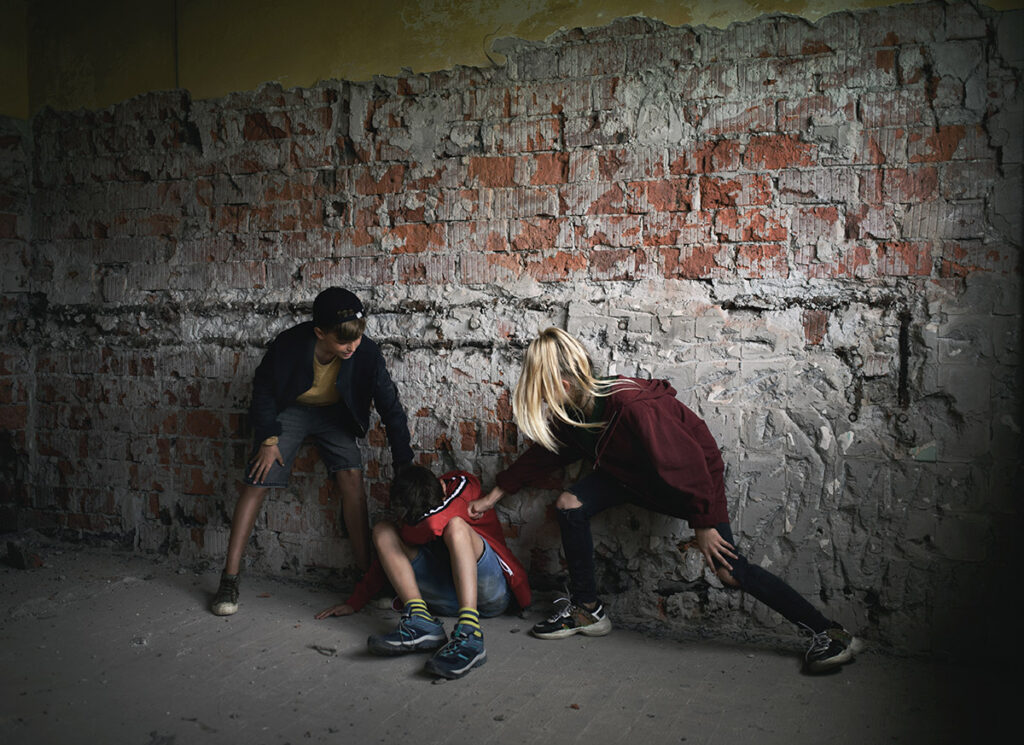
There are multiple described definitions of ‘a gang’. In this tool kit the following definition is used, which has been taken from the Centre for Social Justice in 2009. According to this definition, a gang is:

gang /ɡaŋ/ verb: A relatively durable, predominantly street-based group of young people who:

  • See themselves as a discernible group
  • Engage in a range of criminal activity
  • Identify or lay claim over territory
  • Have some form of identifying structural feature
  • Are in conflict with other, similar gangs

Young people involved in gangs cannot be viewed as a mutually exclusive vulnerable group of young people: young people in gangs typically have multiple and intersecting forms of vulnerability.

Young people are also threatened or tricked into trafficking drugs for gangs who often use intimidation and violence, or threaten the young person’s family.

Sexual exploitation is also used in gangs to exert power and control over members or initiate young people into the gang. Sexual activity can also be used for status or protection, or used as a weapon and inflicted as sexual assault.

They might also offer something in return for the young person’s cooperation, for example money, food, alcohol, clothes and jewellery, or improved status, but these gifts will usually be manipulated so that the young person feels they are in debt to their exploiter and have no choice but to do what they want.

Warning Signs

A young person might be recruited into a gang because of where they live or because of who their family is. They might join because they don’t see another option or because they feel like they need protection.

Young people may become involved in gangs for many reasons, including:

  • Peer pressure and wanting to fit in with their friends
  • They feel respected and important
  • They want to feel protected from other gangs, or bullies
  • They want to make money and are promised rewards
  • They want to gain status, and feel powerful
  • They’ve been excluded from school and don’t feel they have a future.

What are the signs that a young person could be involved in something?

  • Leaving home suddenly without an explanation
  • Returning home unusually late or staying out all night
  • Coming home looking particularly dishevelled
  • Unexplained injuries or suspicion of physical assault
  • Persistently going missing or being found in areas away from home
  • Being secretive about who they are talking to and where they are going
  • Meeting with unfamiliar people, lots of new friends who you don’t know
  • Becoming isolated from peers and old friends
  • Having a friendship or relationship with someone who appears older or controlling
  • Unexplained absences from school, college, training or work
  • Loss of interest in school, college or work and decline in performance
  • Sudden changes in lifestyle, change of clothing style and brand
  • Significant changes in emotional well-being
  • Increasingly disruptive or aggressive and violent behaviour
  • Using sexual, gang, drug-related or violent language you wouldn’t expect them to know
  • Listening to new music linked to gangs/drug use.
  • Starting or increasing drug use, or being found to have large amounts of drugs on them
  • Unexplained money, phone(s), clothes or jewellery
  • Having hotel cards or keys to unknown places
  • Using more than one phone and being very secretive about it
  • Receiving an excessive amount of texts or phone calls and answering/responding immediately
  • Carrying a weapon

This list is not designed to scare parents and carers, however the indicators for exploitation can sometimes be mistaken for ‘normal adolescent behaviours’ and ignored. Share this with your young people and open discussions.

Language

It often feels that young people have their own language and with the Gang culture this is definitely true. Words are used so that people outside of the gang are unable to work out what is happening, things are said in code.

But language changes all the time. Remember there are different dialects around the country and just because your young person is using some of this slang doesn’t mean they understand it. If you hear these words ask what they mean! Some common slang:

  • All White Bricks/Nose Whiskey/White Chalk: cocaine
  • April: a weapon
  • Bagging: used to describe someone packaging drugs for distribution or Stabbing in the lower body
  • Beef Tings: to start a conflict or fight
  • Bottle: to insert something into your rectum or vagina for later retrieval, e.g. drugs
  • Burner: a cheap phone that’s often used in drug dealing
  • Canned/Nailed/ Bagged: to be arrested
  • Coco: after all white bricks/nose whiskey/ white chalk
  • Cunch: used to denote going to a faraway area in order to sell drugs (county lines)
  • Driller: shooter or gang member
  • Drilling: attacking, aggressing or invading
  • Feds: Police
  • Going Country/Going Long: going to a faraway area to sell drugs
  • Joey: a person employed by gang to sell to customers
  • Ketchup: blood
  • Mule: a carrier or supplier of drugs
  • Pranging out: paranoia coming from a drug induced state
  • Ps: Money – usually paper cash
  • Shank/Sword: a knife or blade weapon
  • Turn A Drum Over: Police search of a house
  • Washed: a term used to describe someone who isn’t held in high regards
  • Woolies: a marijuana cigarette laced with cocaine
  • Wrap Street: quantity of heroin or cocaine in folded paper bag or foil packets

Covering all community safety for our youth

Support Topics
Choose a topic
Drugs and alcohol
Exploitation
Mental health
Bullying
Healthy relationships
Pornography
Online safety
Stronger families
The importance of dads
Tips
Neurodiversity