Article: Bullying
Support Services
2 min read
Read More

Article: Drugs and alcohol
Knife Crime. County Lines. Gangs.
These are all words used to describe a situation where young people have their lives put at risk through criminal exploitation
Is it a group of friends who gather together but who also wear similar clothes simply because they happen to like that fashion?
Is it a gathering of more than ten young people, or a group of young people who like the same music?
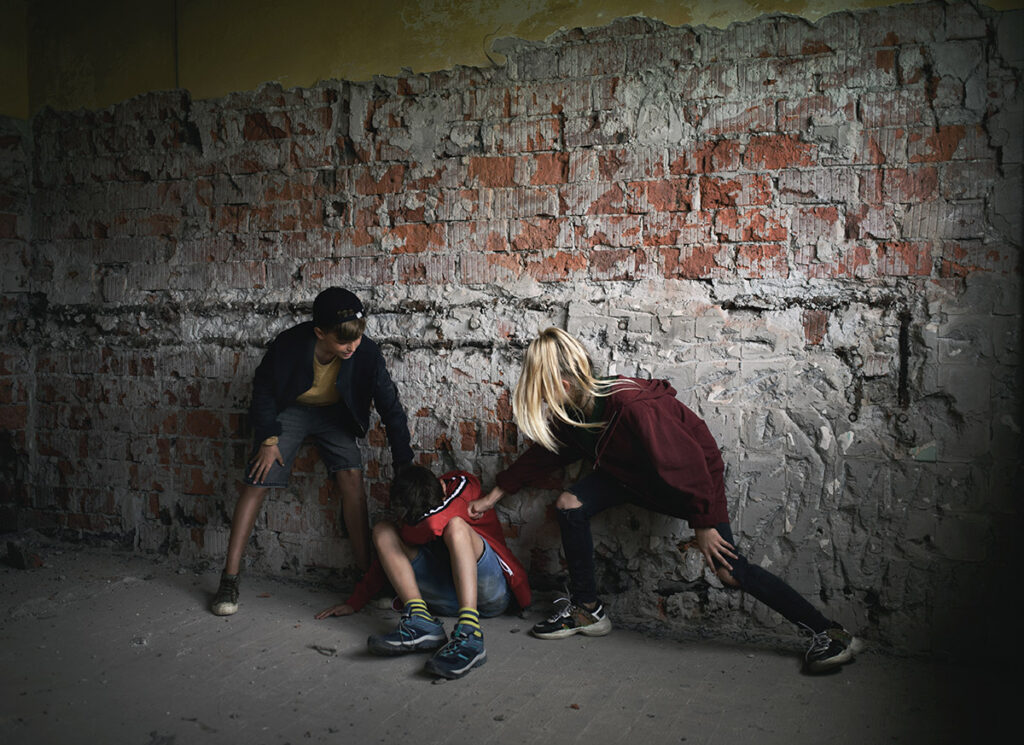
There are multiple described definitions of ‘a gang’. In this tool kit the following definition is used, which has been taken from the Centre for Social Justice in 2009. According to this definition, a gang is:
gang /ɡaŋ/ verb: A relatively durable, predominantly street-based group of young people who:
Young people involved in gangs cannot be viewed as a mutually exclusive vulnerable group of young people: young people in gangs typically have multiple and intersecting forms of vulnerability.
Young people are also threatened or tricked into trafficking drugs for gangs who often use intimidation and violence, or threaten the young person’s family.
Sexual exploitation is also used in gangs to exert power and control over members or initiate young people into the gang. Sexual activity can also be used for status or protection, or used as a weapon and inflicted as sexual assault.
They might also offer something in return for the young person’s cooperation, for example money, food, alcohol, clothes and jewellery, or improved status, but these gifts will usually be manipulated so that the young person feels they are in debt to their exploiter and have no choice but to do what they want.
A young person might be recruited into a gang because of where they live or because of who their family is. They might join because they don’t see another option or because they feel like they need protection.
Young people may become involved in gangs for many reasons, including:
This list is not designed to scare parents and carers, however the indicators for exploitation can sometimes be mistaken for ‘normal adolescent behaviours’ and ignored. Share this with your young people and open discussions.
It often feels that young people have their own language and with the Gang culture this is definitely true. Words are used so that people outside of the gang are unable to work out what is happening, things are said in code.
But language changes all the time. Remember there are different dialects around the country and just because your young person is using some of this slang doesn’t mean they understand it. If you hear these words ask what they mean! Some common slang:


Toolkit Download
This toolkit provides insight into the issues affecting our 9 to 12 year old children and offers practical ways to support them.
Toolkit Download
This toolkit gives you valuable insights into teenage challenges and practical ways to help.