
Article: Healthy relationships
Misogyny and the Manosphere
Content that promotes harmful attitudes towards women is becoming more common on social media, gaming platforms and video-sharing sites. Some of this content is linked to online groups often known as the “manosphere”.
This resource hub includes key information from our awareness sessions, expert advice and practical tips for parents, carers and professionals.
Our aim is to help families have informed conversations and better understand the online spaces that young people may be spending time in.
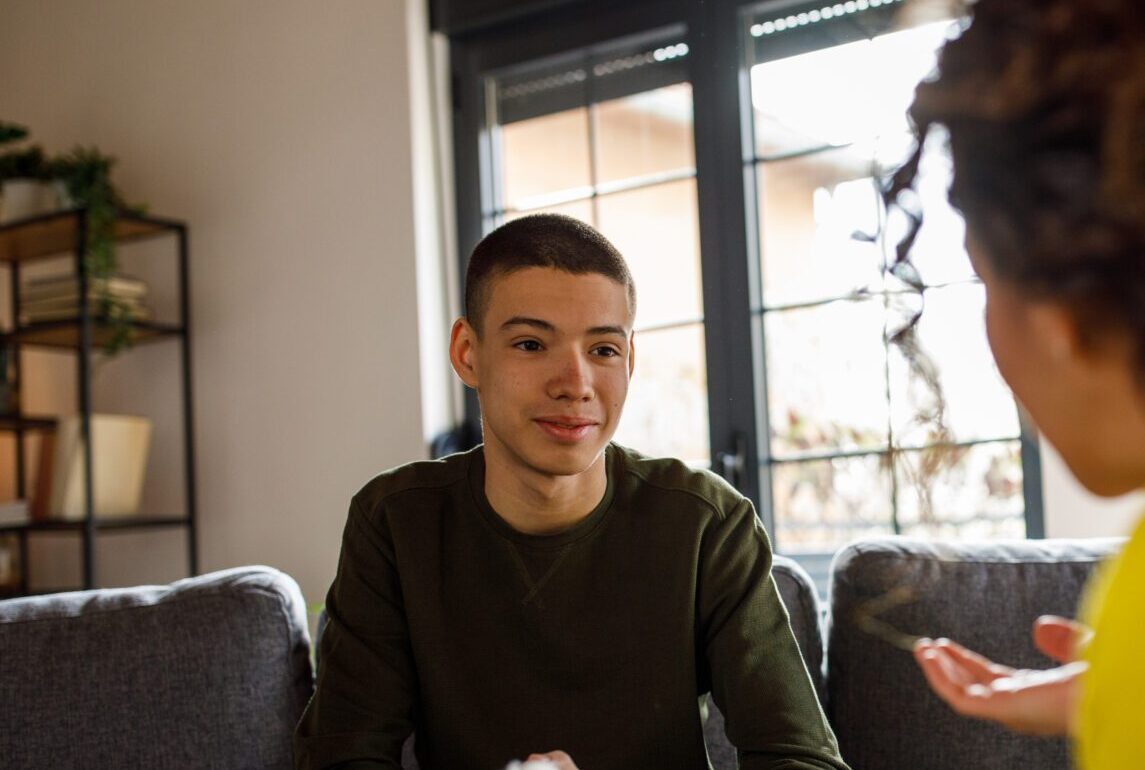

Parents and carers play an important role in helping young people make sense of what they see online.
Research shows that many children and young people are exposed to influencers and content that promote harmful attitudes towards women and girls. These messages can affect how young people think about relationships, respect and gender. The impact is increasingly being felt in schools and communities. A survey of more than 1,000 teachers found that 54% believe misogyny among boys has worsened in recent years, while 67% of secondary school teachers reported it as a problem in their school.
The good news is that regular conversations, listening without judgement and encouraging critical thinking can make a real difference.
This page will help you understand the manosphere, spot warning signs and support young people to build healthy, respectful relationships online and offline.
Our Webinars
This session helps parents and carers understand what the manosphere is, why some boys and young men are drawn to it, and how these messages can affect attitudes, relationships and behaviour.
You’ll learn:
- What the manosphere is and the different groups within it
- Why this content can appeal to young people
- How social media algorithms can increase exposure to harmful content
- Warning signs that a young person may be engaging with misogynistic content
- Practical ways to start supportive conversations at home
This webinar helps parents and carers better understand the online world that teenagers experience every day. We will explore how harmful ideas and messages can spread through social media and how online communities can influence young people’s views about identity, relationships and gender.
The session will provide practical advice to help parents and carers recognise these influences, start positive conversations, and support teenagers to think critically about what they see online.