
Article: Healthy relationships
Misogyny, the Manosphere and Teenage Relationship Abuse
A quick guide for parents and caregivers
Credit: The Teenage Relationship Project by HOPE/Go-Getta.
If your son has started repeating phrases you don’t recognise, dismissing girls and women as “shallow”, or spending more time online and less with the family, you’re not alone.
Conversations sparked by Netflix’s Adolescence and Inside the Manosphere, and by news stories about popular influencers, have left many parents asking “what is going on, and what can I do?”
What is the ‘Manosphere’?
The manosphere is a collection of online groups, websites, videos, and social media accounts that focus on men and masculinity. Some content is about fitness or self-improvement, but some promotes harmful ideas about women and encourages misogyny
How do young people end up there?
Online platforms use algorithms that show people more of the content they engage with. A young person might start by watching videos about confidence, fitness, or dating, then gradually be shown more extreme content.
Over time this creates echo chambers, where young people become deeper engaged in harmful content and begin to only see views reflecting these attitudes.
The pull is understandable. These communities can offer a sense of belonging and simple answers to difficult problems, which can be appealing, especially when a young person feels lonely, anxious, or rejected.
What should parents look out for?
No single sign means there is a problem, but it can help to notice patterns such as:
- Negative comments about girls or women.
- Strong beliefs that men should be dominant or in control.
- Following influencers who promote harmful views.
- Becoming isolated from friends or family.
- Increased anger about dating and relationships.
- Refusing to consider different viewpoints.
Many of these messages are rooted in wider beliefs about what it means to be a man.
Boys are often taught that they should be tough, stay in control, and hide emotions such as fear or sadness. This can make it harder for them to ask for help, affect their mental health, and create difficulties in friendships and relationships. Online habits can also affect everyday life, leading to low self-esteem, poor sleep, loneliness, a greater acceptance of harmful behaviour, and becoming less sensitive to violence.
When misogyny reaches teenage relationships
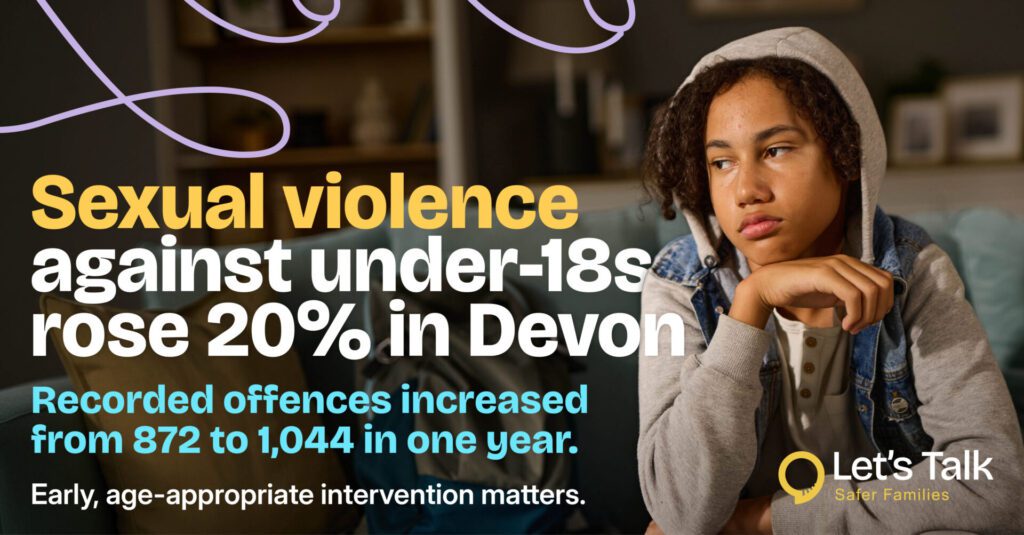
This isn’t only about what young people watch; it shapes how some young people treat each other in relationships.
UK evidence suggests relationship abuse is common, and professionals increasingly connect it with misogynistic attitudes.
- It is more common than many people think. Around 4 in 10 young people who had been in a relationship said they had experienced emotional or physical abuse. This included things like controlling behaviour, pressure, or sharing private images.
- Girls and boys can both be affected. Abuse can happen to any young person, although their experiences may be different. Girls were more likely to feel unable to leave, afraid to disagree or pressured into sex, while boys were more likely to have explicit images of themselves posted online.
- Experts are concerned. Some experts believe harmful online content and influencers may be contributing to unhealthy attitudes. The national police lead for domestic abuse has said violent pornography and “toxic influencers” may be fuelling this.
- Abuse is often overlooked. Unhealthy behaviours are sometimes seen as normal teenage dating or brushed off as “just drama”. Many young people also find it harder to recognise the signs of an abusive relationship.
What this means for parents. Talk about healthy relationships with sons and daughters. Name controlling behaviour plainly: demanding passwords, checking location, deciding who a partner can see, or sharing images.
A young person who is experiencing abuse may become anxious, withdrawn, stop seeing friends, or avoid school. A young person showing abusive behaviour may talk about partners as possessions or become angry when a partner wants independence.
Conversation Starters
Be curious, not confrontational. Ask questions such as:
“What do you like about that content?”
“How did you come across that idea?”
Listening first can help keep the conversation open
Prioritise trust. Your relationship matters more than winning the argument. Let them speak fully and feel heard before offering other views; ‘connection before correction’.
Recognise the appeal. Acknowledge that belonging, answers and control are things we all need, then explore healthier ways of meeting them.
Encourage critical thinking. Ask questions like:
The N.O.I.S.E. check is a simple tool to share to help young cut out the ‘noise’ online:
- Negative: How do you usually feel after watching this?
- Opposition: Does it make relationships seem like a battle between men and women?
- Insecurity: Does it make you feel you’re not enough, just as you are?
- Simplistic: Does it encourage your own questions, or just tell you what to think?
- Earning: Would the message change if money wasn’t involved?
Offer positive alternatives. Introduce healthy male role models and creators who promote respect, emotional intelligence and growth.
Set boundaries when needed. It’s fine to say, “I care about you, but I can’t support that kind of thinking,” or “Let’s take a break from this topic.”
Be patient. Changing attitudes is a process, not a single conversation. Celebrate small shifts and keep the door open.
Building protection from the ground up
The best protection is helping young people feel confident, connected, and supported.
This can include:
- Talking openly about emotions.
- Helping them cope with setbacks and disappointment.
- Building confidence through hobbies, sports, and challenges.
- Connecting them with trusted adults and positive role models.
- Showing regular interest in their lives.
Further support
- Kids Online Safety campaign (GOV.UK): online misogyny, supporting boys against hate
- Action for Children: talking to your child about gender equality
- The Children’s Society: protecting children from misogyny and the manosphere
- BBC Bitesize: parenting resources on the manosphere
- Barnardo’s: research on the impact of online misogyny on young people
- Let’s Talk Safer Families: letstalksaferfamilies.org/further-support
If you’re worried about a young person’s relationship:
- Childline (free, for under-19s): 0800 1111
- National Domestic Abuse Helpline (run by Refuge, free, 24 hours): 0808 2000 247
- In an emergency, call 999
Sav and Meena are delivery partners of Let’s Talk Safer Families, they have brought together two distinct expertise – safeguarding young people and prevention of violence against women and girls. Together they run the Teenage Relationship Abuse Project.
We are so proud to be working with them.