Article: Bullying
Support Services
2 min read
Read More

Video: Neurodiversity
This session has been developed in consultation with parents and carers of SEND/Neurodivergent young people Anger and challenging behaviour is something that all parents will see displayed by their teenager at some point- this is part of teenage brain development and we all find ways to manage family life. But what about those times when the general advice given does not work- when your young person has different needs and therefore needs a different strategy? In this session we explore what as a parent or carer can you do to keep yourself and your young person safe and well and help you to understand what might be going on inside your teenager’s brain . We can explore different tools and ideas to support our young people to feel calmer and safer and recognise the triggers for the behaviours that can make family life difficult.

Your feedback is really important to us as we want to continue to develop our resources to ensure they are the best they can possibly be so we would be grateful if you would please complete the form below.

Toolkit Download
This toolkit provides insight into the issues affecting our 9 to 12 year old children and offers practical ways to support them.
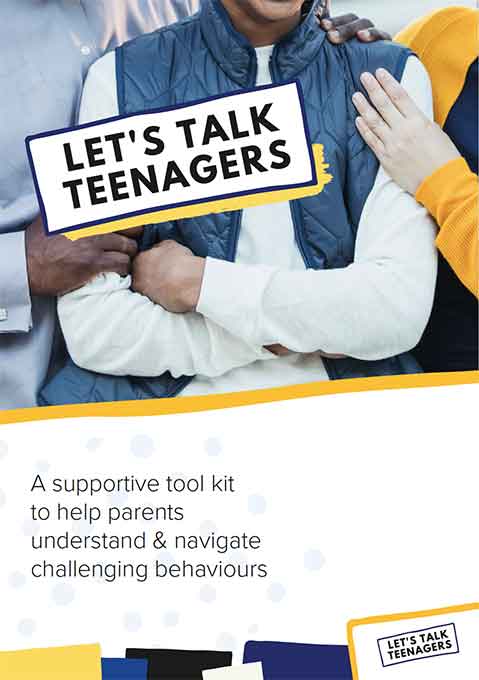
Toolkit Download
This toolkit gives you valuable insights into teenage challenges and practical ways to help.